


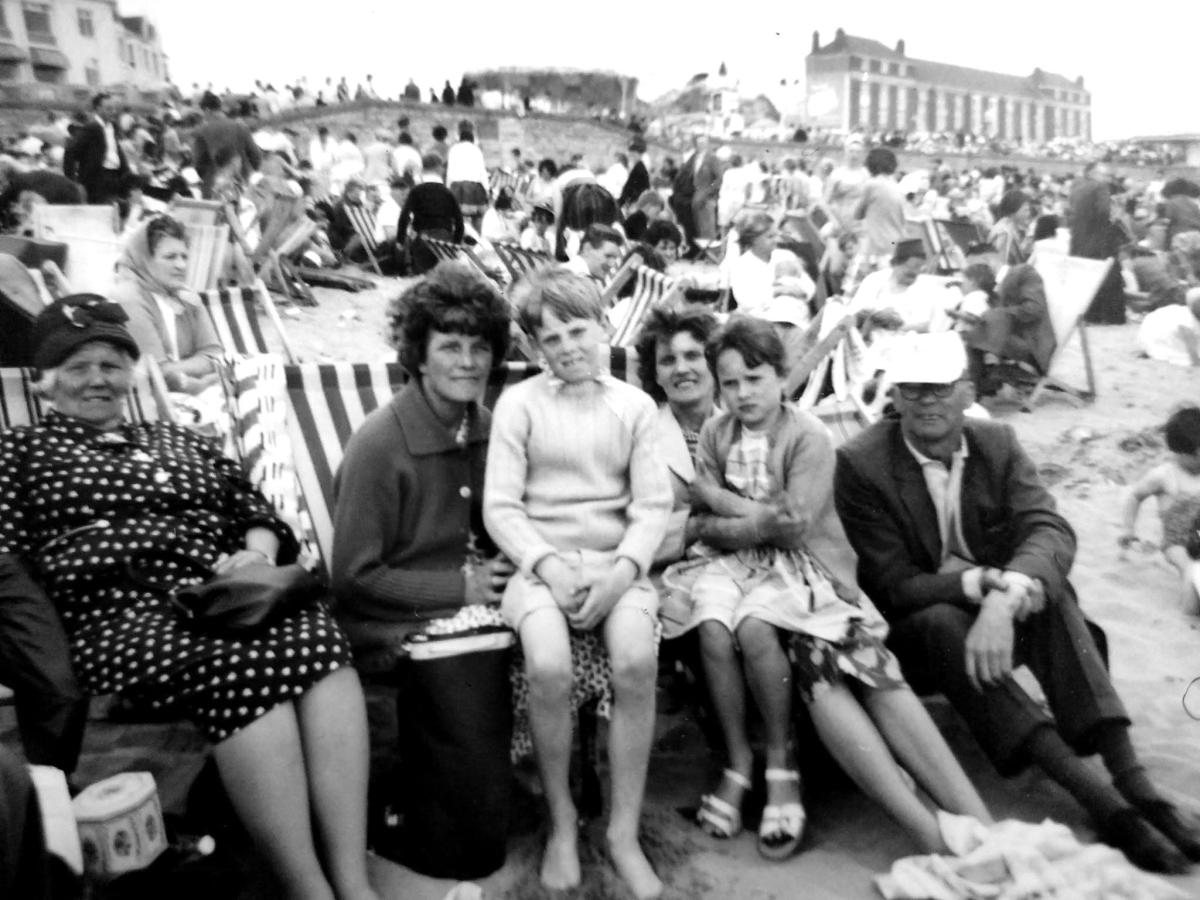
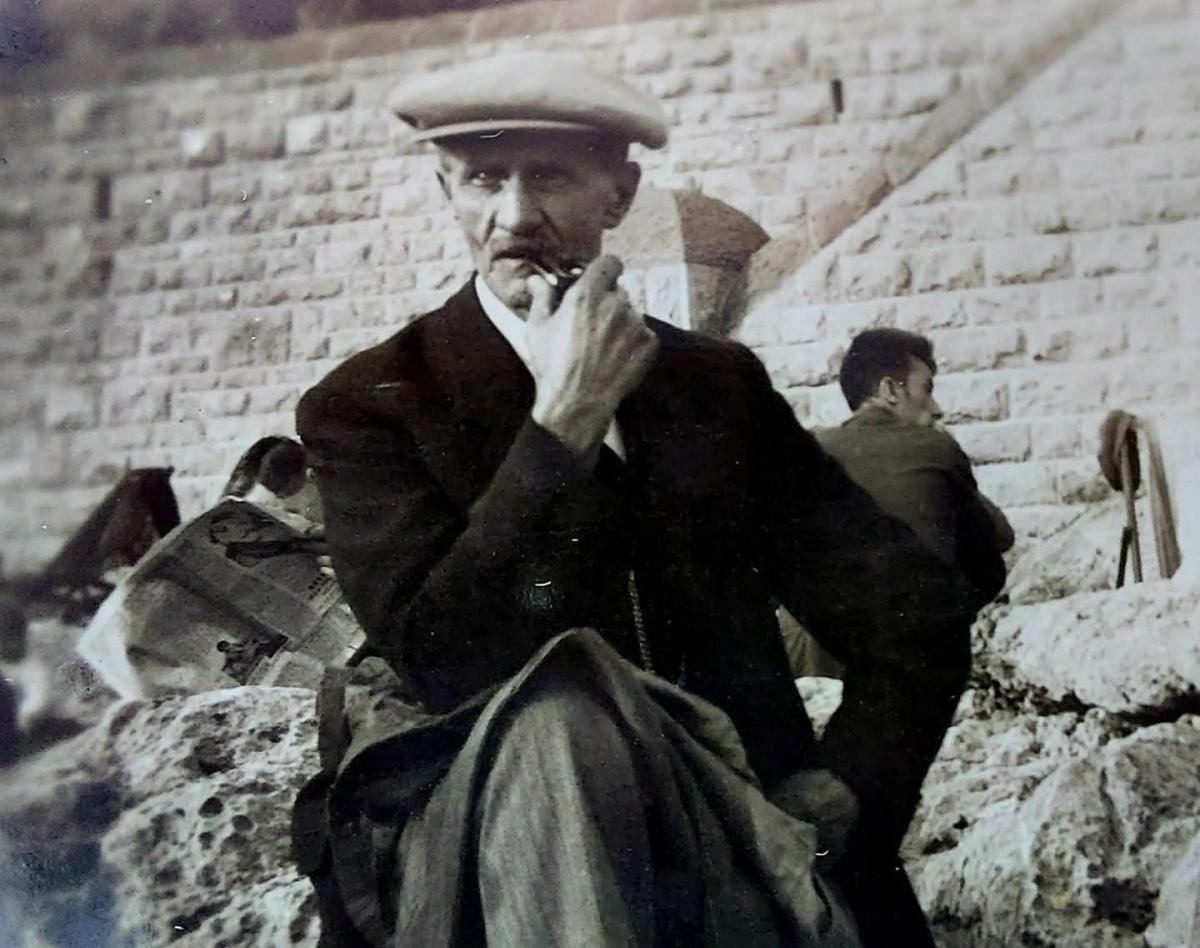
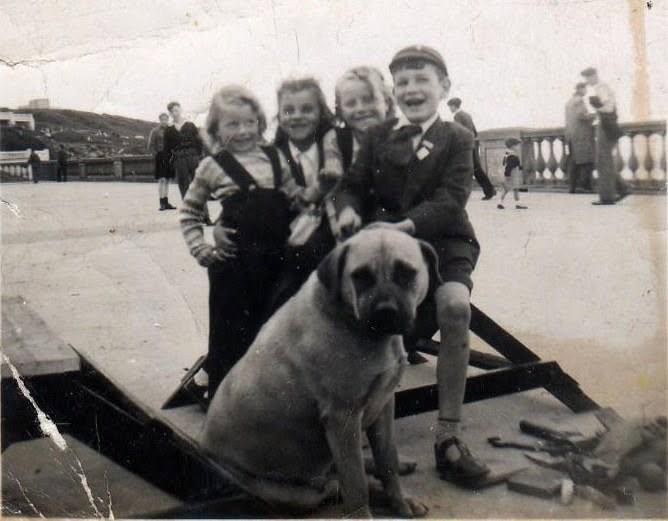
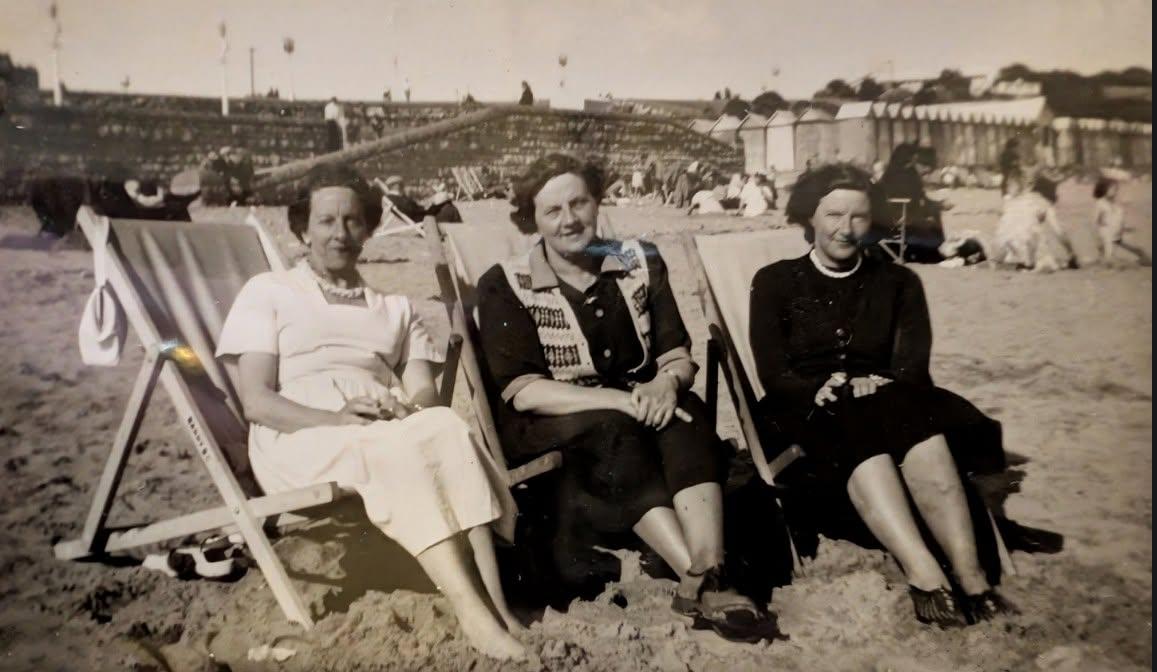
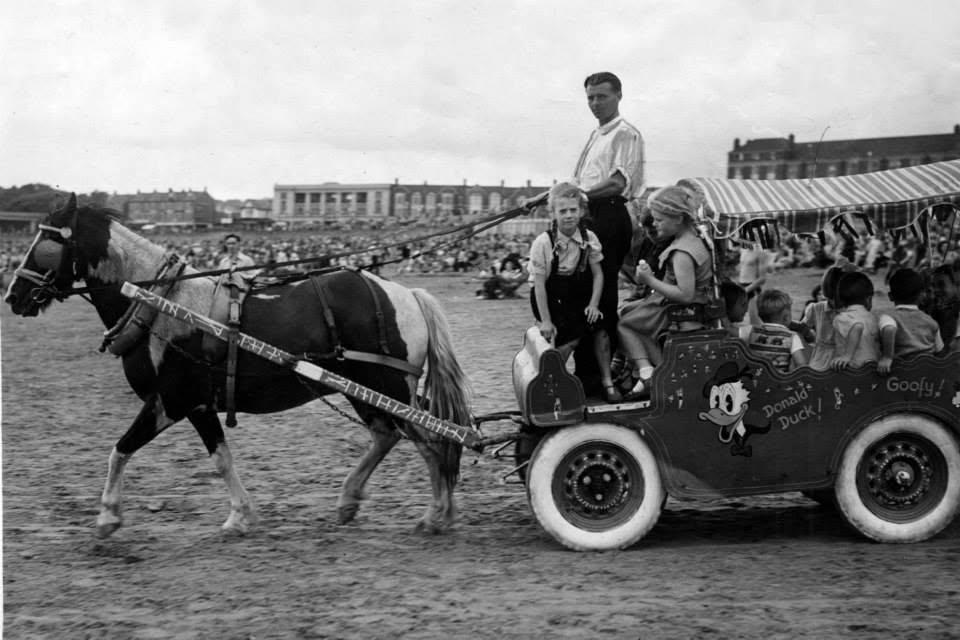
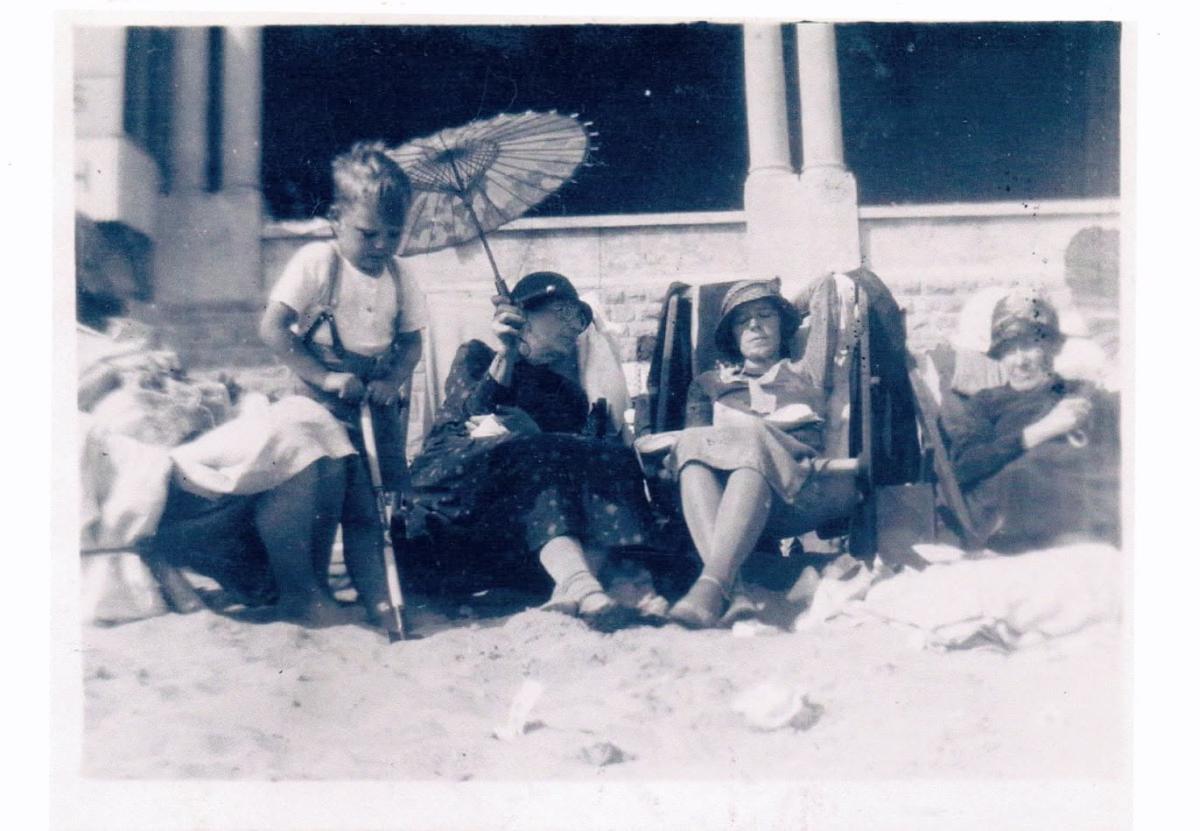
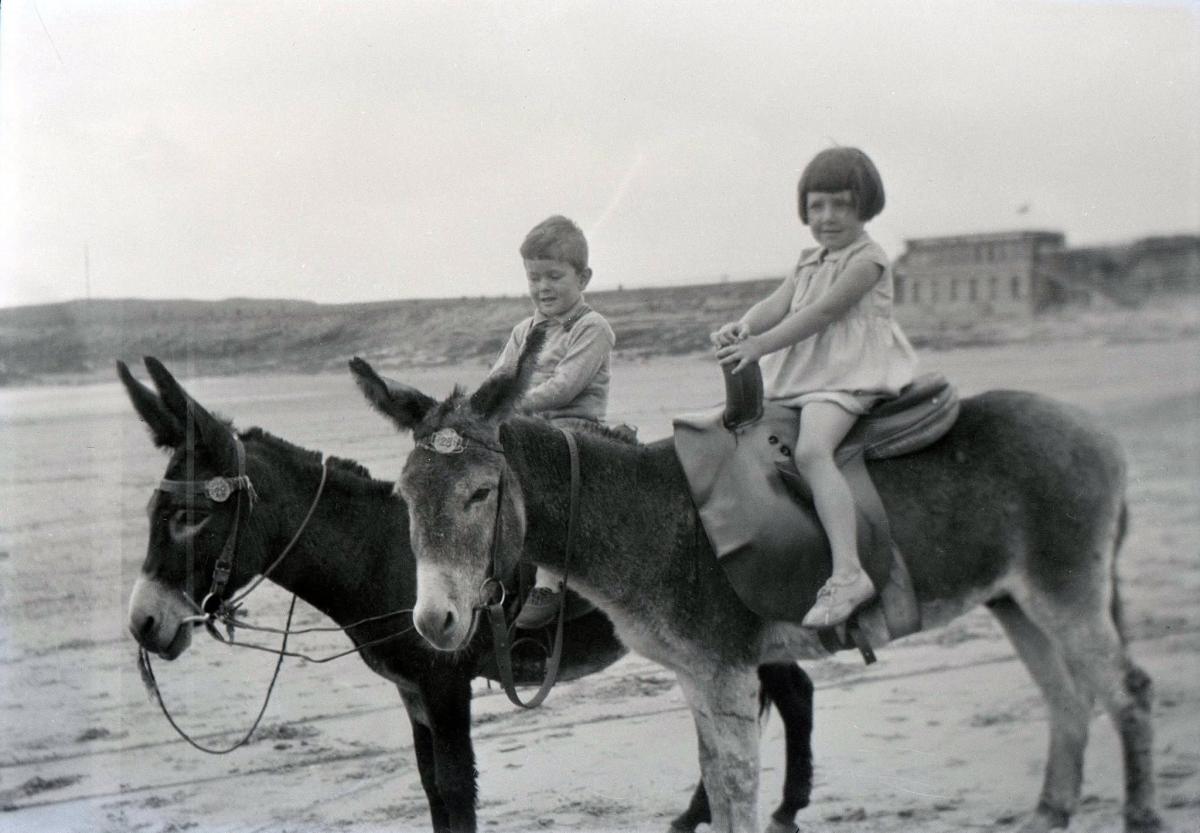
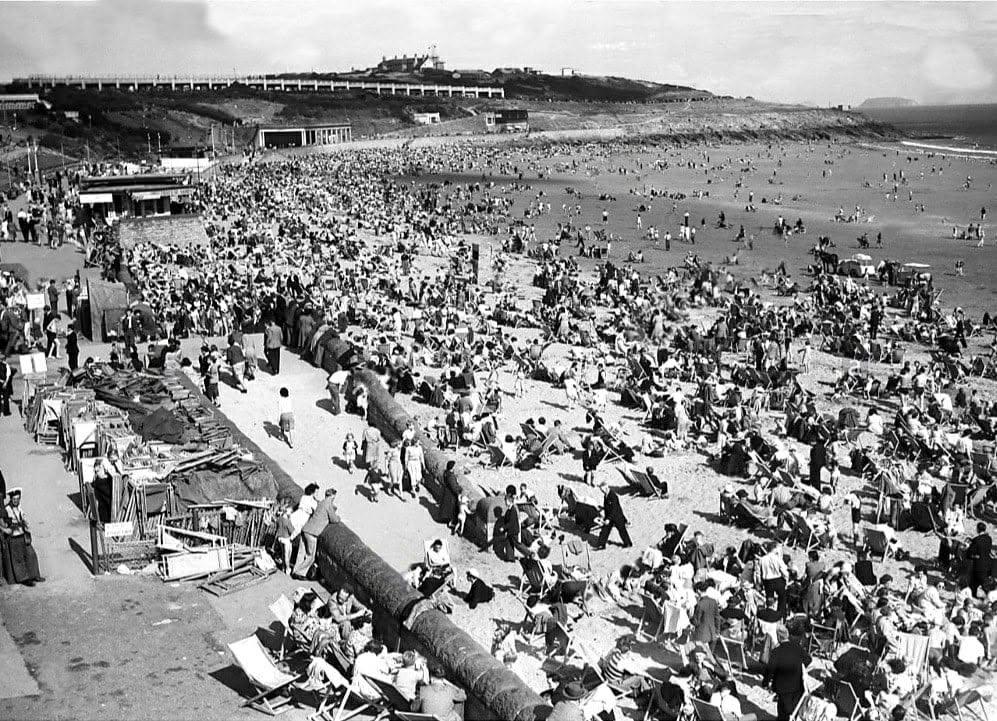

This week at the Barry and District News, we’re taking a dive into the archive to explore summers on the Island during the 1930s, 40s, and 50s.
Often hailed as ‘the glory days’ by many residents and visitors, the early 1900s may not saw Barry Island at its busiest and harbours fond memories of days playing in the sand and basking in the sun.
This time is often thought of as the area's ‘glory days’, as those from all over the country descended on the Island during the summer to get away from everyday life.

Many from the Valleys and other rural areas would travel down to Barry as, simply, it was the closest seaside town to where they lived, offering up the excitement of seeing the sea after a lengthy (and often sickening) coach journey.
It was overwhelming for many, with hours spent on the beach (often in clothing that seems nothing but impractical for a beach trip today), with a trek around the shops and a hunt for the biggest stick of rock possible on the agenda.

The holiday abroad was practically non-existent for working-class people in nearby areas like Cardiff, the Valleys and the rest of the Vale, so a trip to Barry was the next best thing and an excellent compromise during the summer months post-war. In most cases, these trips would happen once a year and would be a huge deal for the families in question.
According to Dr Andy Croll, Whitmore Bay and Barry Island was reportedly relatively late in attracting visitors and becoming the seaside resort we know today, only attracting sizable numbers of tourists in the 1890s – almost 100 years after many other British resorts.

Speaking to the University of South Wales, he said: “These tourists – and their spending power – mattered to the rural communities that they stayed in for months at a time during the bathing season, but historians have rarely included them in their studies. They’ve been bewitched, understandably, by the gregarious seaside visitors who fuelled the growth of the highly developed watering places.”
Though it may have changed, the essence of Barry Island remains as a standout location for those wishing for a staycation.
All photographs in this article were sourced from the Barry Island Historical Group. Their Facebook page has thousands of images to view of Barry's history.


Share