


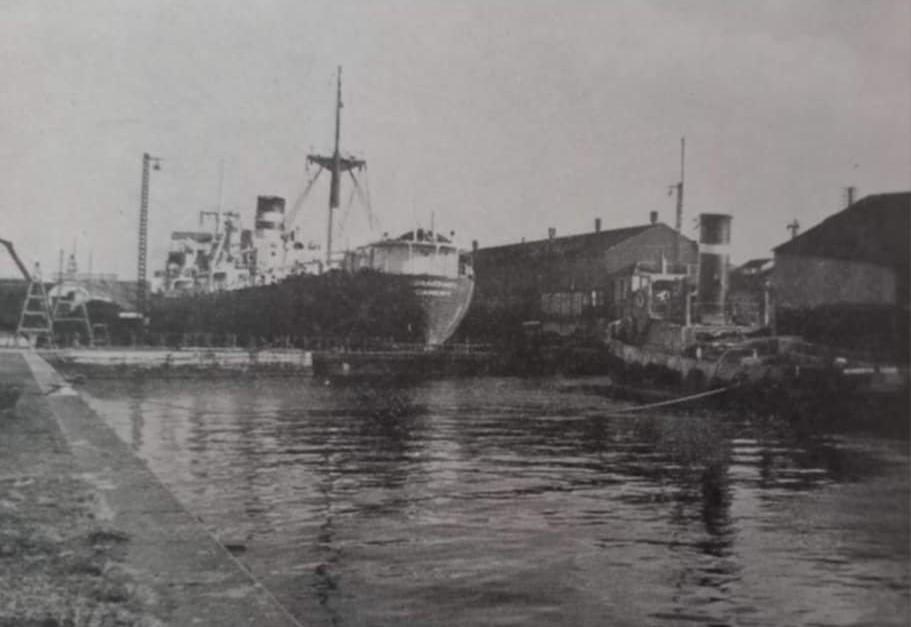
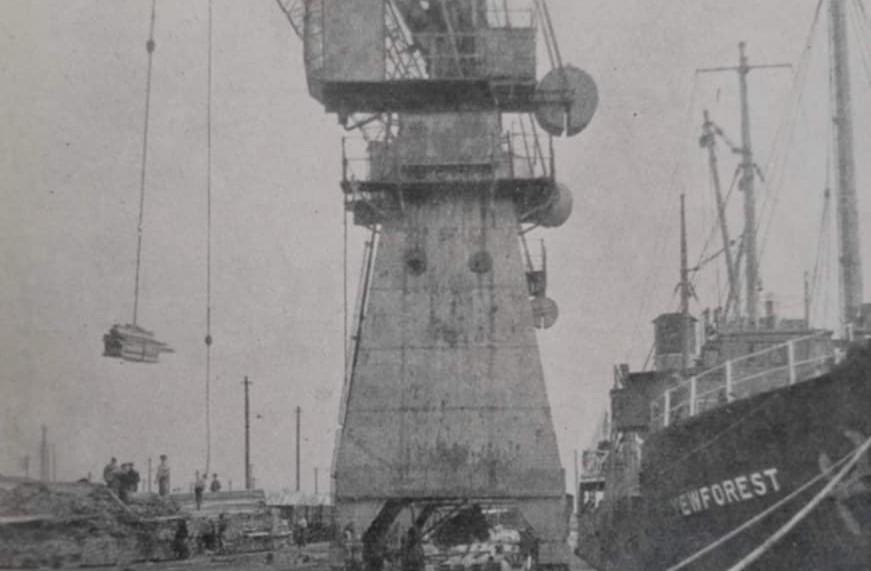
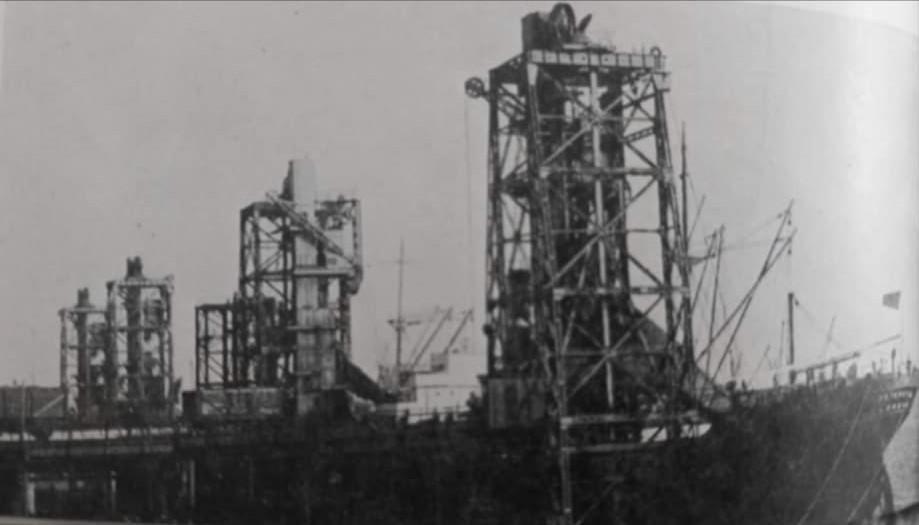
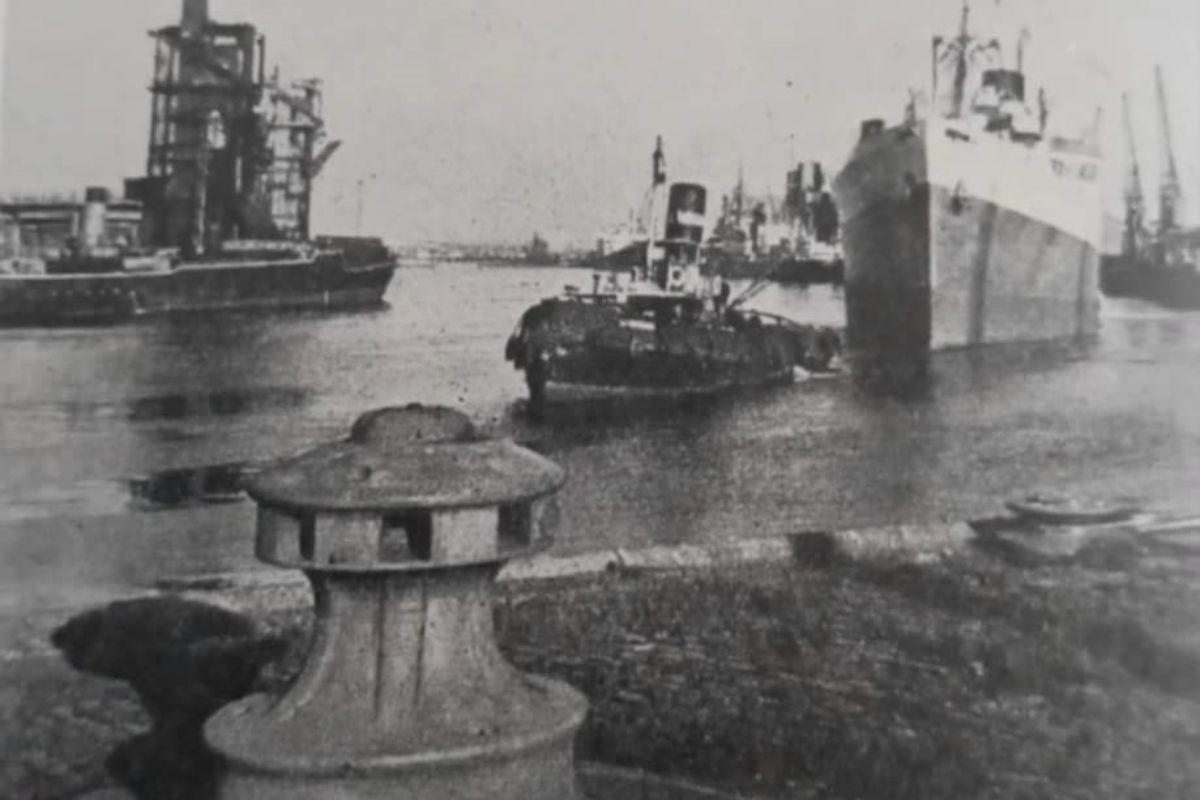

Residents of Barry know that the town is more than just a seaside resort and played an important role during the industrial revolution and growth of the Welsh coal industry.
At one time, Barry was the largest coal exporting port in Britain, creating a legacy for the town that has since been forgotten by many.
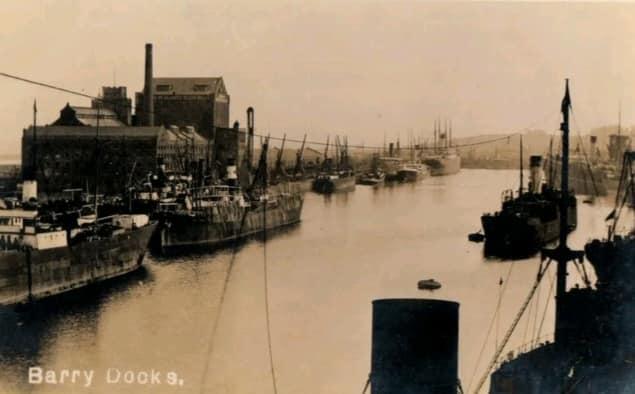
The port began life in the 1880s, when the first Welsh millionaire David Davies and other leading industrialists selected the town to be developed as a coal port to relieve pressures on Tiger Bay in Cardiff and export coal mined from Mr Davies’ Ocean Collieries pits in the Rhondda.
Barry Docks would open for business in 1889.

When the port was in its infancy, a group of colliery owners formed the Barry Railway Company and chose to connect the coalfields of the Valleys to the dock, developing an industrial scale port.
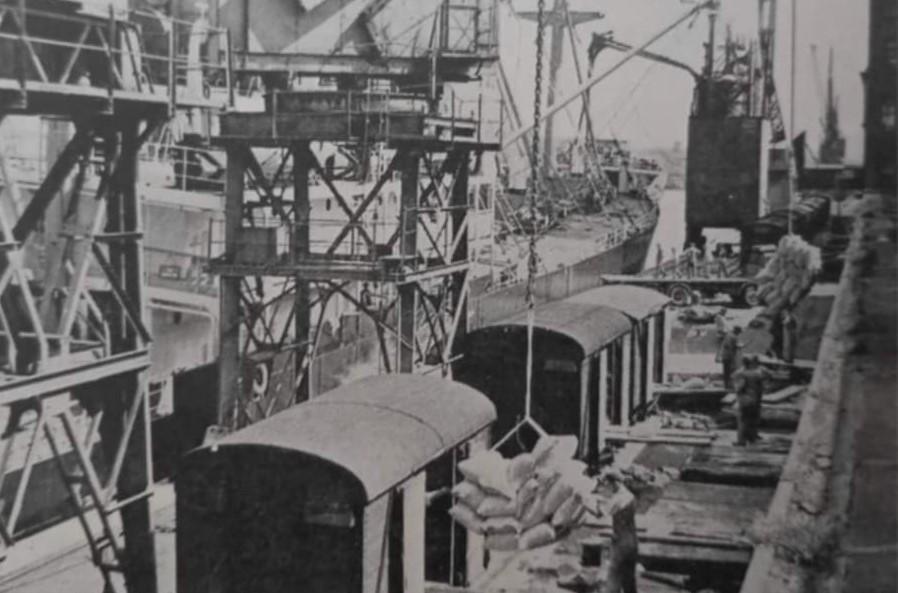
Further docks were added and the port expanded, with exports in 1903 equalling nine million tons. By 1913, Barry was the largest coal export port in the country, surpassing both Penarth and Cardiff.

Workers from across the globe would come to Barry to capitalise on the town’s industrial boom, increasing the demand for workers’ housing and creating a rich multicultural community. Irish Navigators, labourers from the West Country and Scandinavia flocked to build row upon row of terraced houses and in the 29 years leading up to 1914, the town’s population grew to 38,000.

During this industrial boom is when Barry Island really began to draw attention from workers, with thousands flocking to its sandy beaches each summer to get away from everyday life.
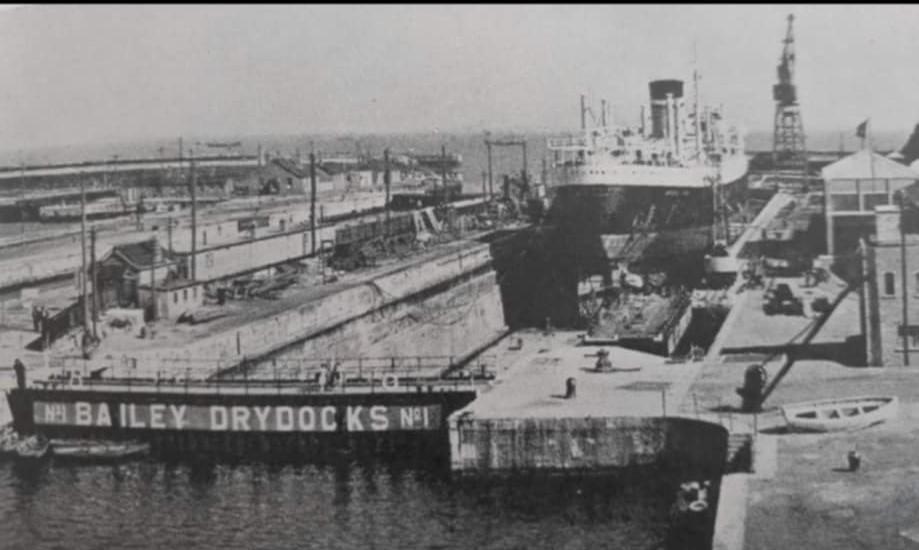
The dockyards were surrounded by dozens of businesses during its heyday, with flour mills, repair yards, shipping agents and cold storage facilities among some of the amenities on offer.

Even as a worldwide depression would begin to clutch the Welsh coal trade in the 1920s, there were still more than 50 independent companies trading out of the docks area.
The inevitable collapse of the coal trade saw Barry and its docks stranded, before the arrival of the Geest company in 1959. This company and their exportation of bananas from the West Indies gave some job security to workers but their departure in the 1980s forced the port into decline.
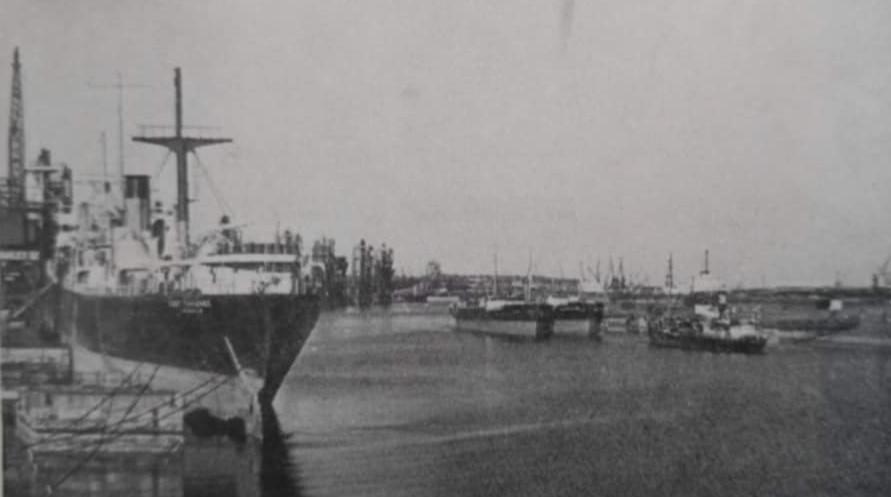
These days, the waterfront has been revamped and redeveloped and the port remains a key facility for the region’s chemical industry, handling liquid bulks and supporting around 5,000 jobs.


Share