



An iconic Victorian-era Broad Street bank has been revealed as an architectural marvel with a royal legacy.
In a recent historical delve into Barry's past, 1 Broad Street has been revisited–uncovering links to notable personalities and hinting at intriguing untold stories.
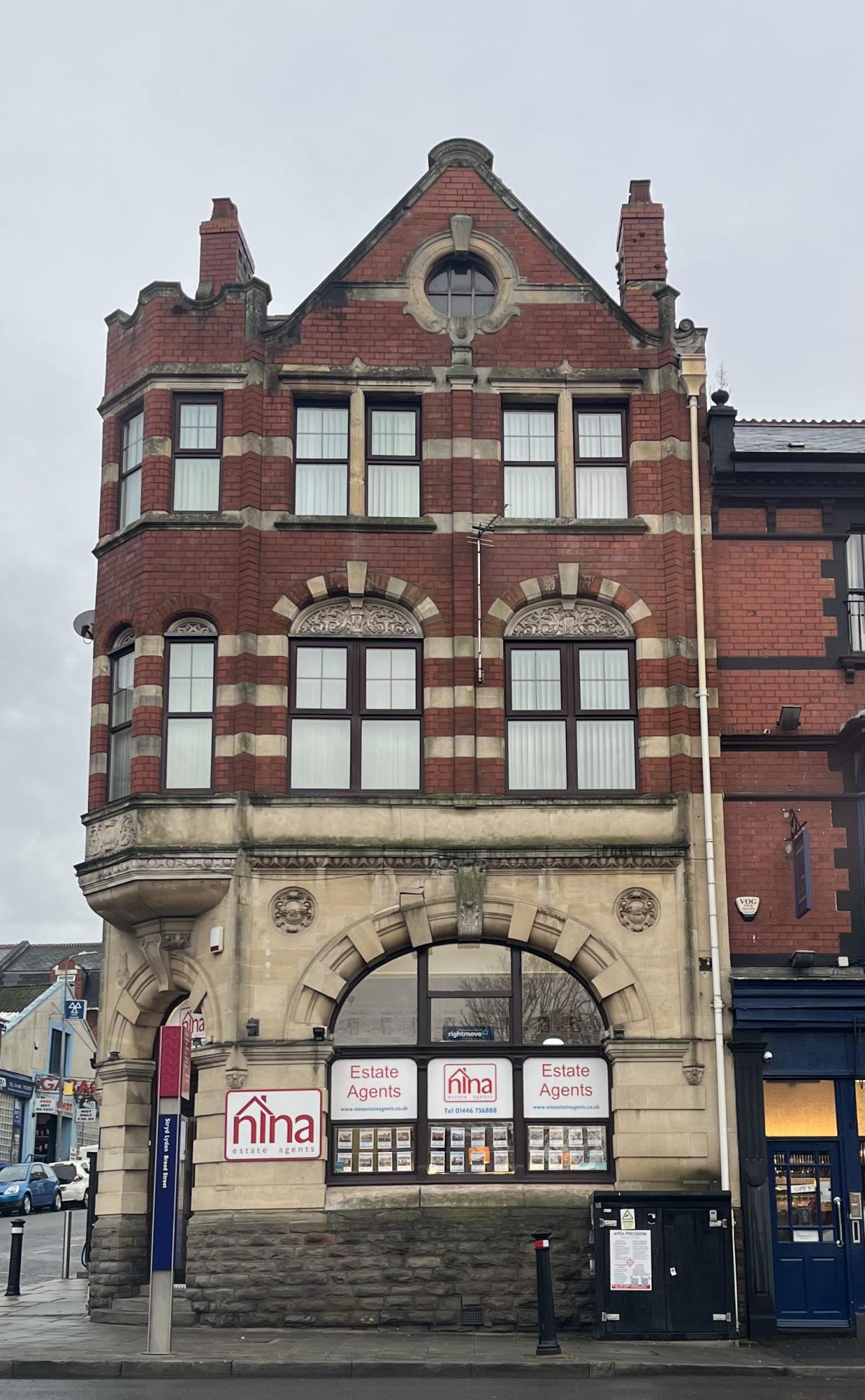
The building, designed by Cardiff-based architects Ivor Jones and John Bishop, served as a bank from its opening in 1889 until its closing day may be 16th November 1969, although 8th December 1971 is also indicated.
This historic building, aptly named Bank House, was also home to the Phillips family.
William Prichard Phillips, the manager, lived above the bank with his family.
Pictures now help piece together the past.
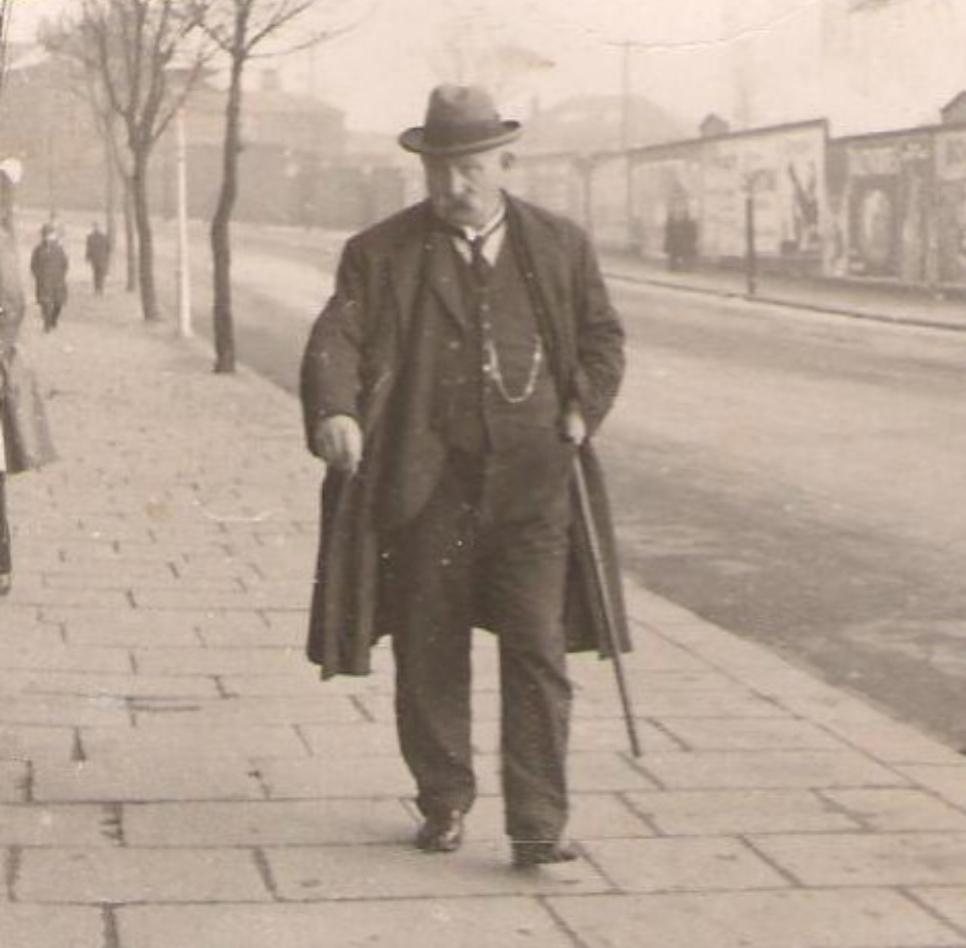
One particular image from 1921 is of special interest.
William Prichard Phillips is seen wearing a fedora identical to one worn by David Lloyd George in the same year's general election.
The photograph shows the proud bank manager, father, and community stalwart in his 45th year of service.
A closer look at Mr Phillips' life reveals a rich history starting in Bridgend in 1861.
At just 15 years old, he embarked on a banking career with the London and Provincial Bank in Cardiff.
By the time Barry and District came into existence in 1889, Mr Phillips had moved to the town as a bank clerk in Cadoxton.
He quickly ascended the corporate ladder and by 1891 had achieved a managerial position at the London and Provincial Bank.
He retained that post even after the bank's merger with Barclays Bank, until his retirement after 50 years of service in 1925.
Mr Phillips passed away in 1944 and was laid to rest at St Lythans churchyard.
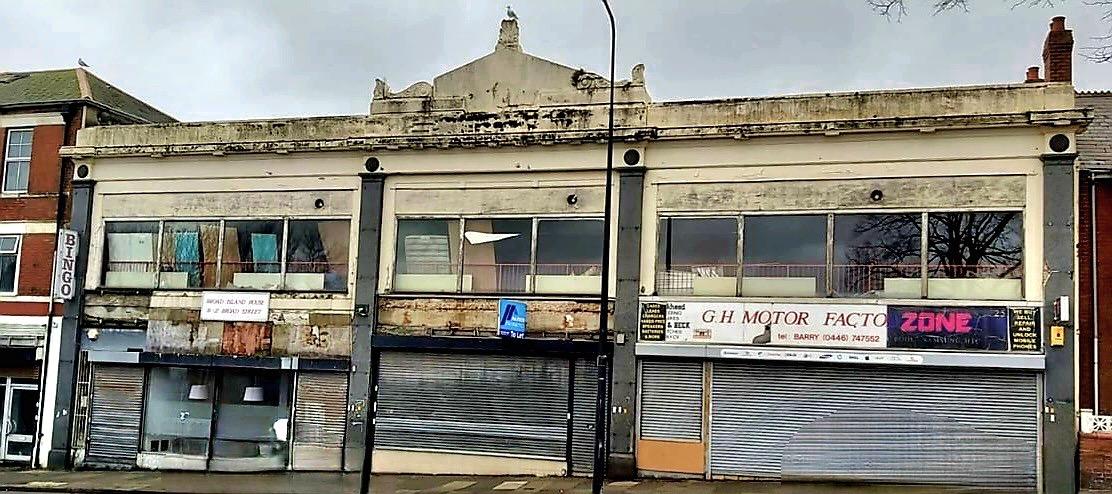
Further towards the East; up Broad Street, the Art Deco building Broad Island House (20 to 25 Broad Street), carries mysteries of its own–including a fascinating link to King Charles.
As a student at Romilly Junior School, the current writer stood opposite Broad Island House and met the then Prince Charles.
The visit, in connection with the Enterprise Programme Launch as part of The Prince's Trust, marking the launch of the Youth Business Initiative, was an unforgettable encounter for the young school pupil.
I managed to get this image from John Anzevino.
Comments from the Barry and District Museumeers Facebook page gave a brief look at a big fire at Broad Island House, resulting in a major rebuild and giving the building its present Art Deco aesthetics.
Before the fire of 1923, the block of buildings had been the home to an early Barry psuedo department store the 'Co-operative Wholesale Society'.
Notably, in 1905, a renowned woman held a meeting here, a fact that will be explored next week.
Today, Broad Island House continues to draw people's attention, with one local, Sharon Cohen, lauding its beauty–a sentiment echoed by the author.
For those with more information on the building's history, please email karljlangford@hotmail.com.
The story, adjacent and continuing next week, is a testament to the richness of Barry's historical tapestry.
It serves as a reminder that each building holds narratives waiting to be unearthed and shared with future generations.
It invites us to see Barry not just with the eyes of today, but through the lens of the past.
To study the elaborate details of the architecture, understand the tales that permeate the walls, and appreciate the beautiful blend of history and modernity that shapes our present, the journey through time and history begins.
It's a journey that started on Broad Street and isn't over yet.
The stories of 1 Broad Street and Broad Island House invite us to take a step back and admire the architectural gems that dot the town.
With each new week, more layers are expected to be uncovered, further enhancing our understanding and appreciation of Barry's intriguing past.
Long-serving Broad Street bank manager William Phillips


Share